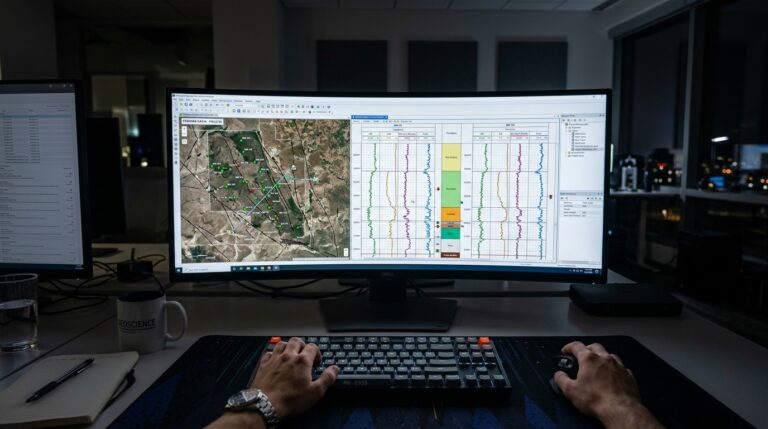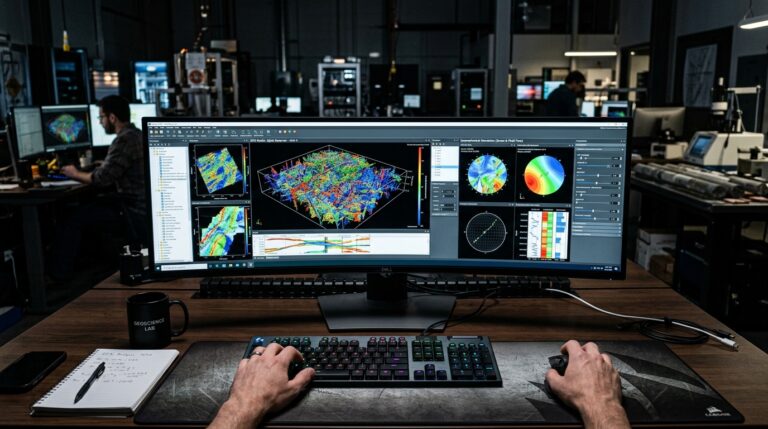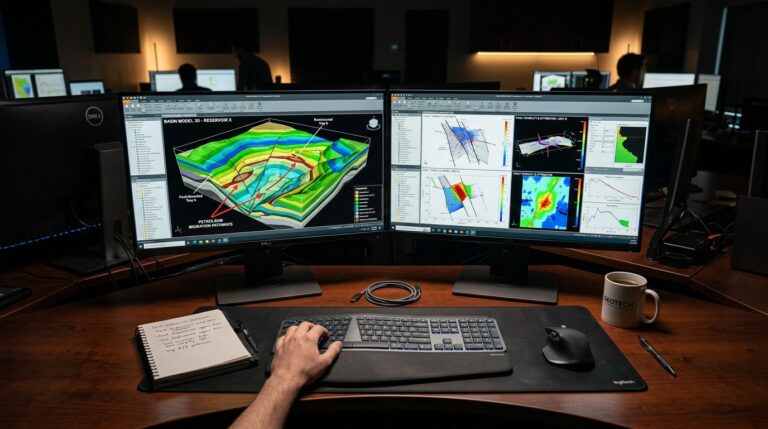
Production engineers and well test analysts often seek specialized software tools to optimize well performance, particularly for artificial lift systems. This article provides an overview of SROD software, focusing on its inferred role within the Well Testing, Production Analysis, and Artificial Lift category. While specific vendor and feature details are not extensively documented in public sources, we aim to outline its likely applications to help professionals assess its potential relevance to their work. This objective review helps engineers evaluate SROD’s potential fit for their specific tasks, particularly given the current lack of extensive public documentation.
Need This Software?
Contact us to request the software and receive download and access information.
Key Facts
- Category: Well Testing, Production Analysis & Artificial Lift
- Best for: Production Engineer / Well Test Analyst
- Also compare: Theta Rodstar, Echometer Qrod
What is SROD Software?
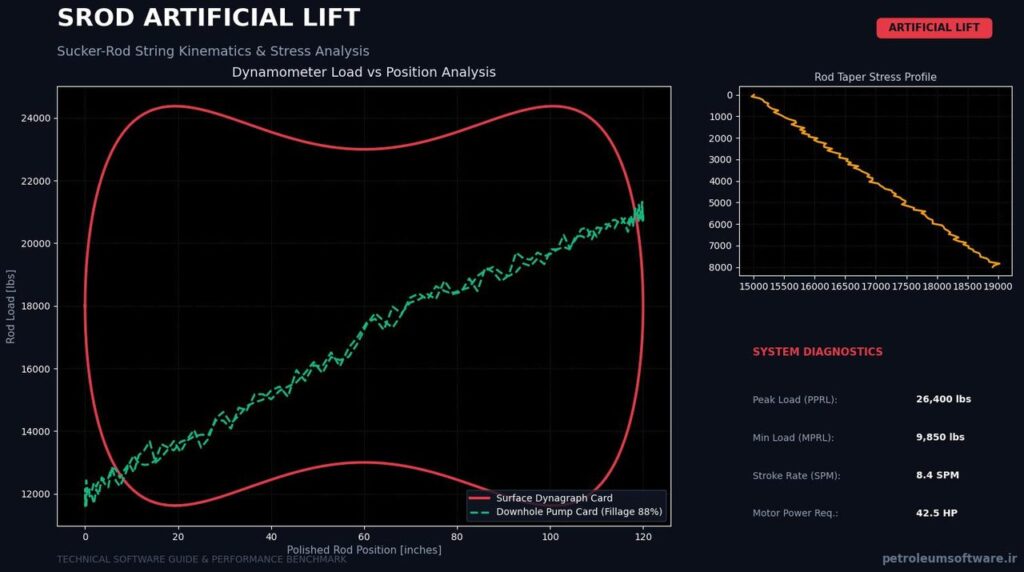
SROD software is categorized within the domain of Well Testing, Production Analysis, and Artificial Lift. Based on its nomenclature, SROD is inferred to be a specialized tool designed to assist with aspects of sucker-rod pump design, analysis, and optimization. This places it within the suite of engineering applications aimed at enhancing the efficiency and longevity of artificial lift operations in oil and gas production.
Inferred Capabilities and Applications
Given its likely focus on sucker-rod systems, SROD software is presumed to offer functionalities critical for engineers managing wells equipped with rod pumps. Potential areas of application might include:
- Sucker-Rod System Design: Assisting in the selection and sizing of rod strings, pumps, and surface equipment for new installations or replacements.
- Performance Analysis: Evaluating the operational efficiency of existing sucker-rod pumps, identifying anomalies, and predicting system behavior under various production conditions.
- Artificial Lift Optimization: Supporting decisions to improve run life, reduce energy consumption, and maximize oil recovery from wells using rod lift.
- Diagnostics and Troubleshooting: Potentially aiding in the identification of common issues such as fluid pound, gas interference, or equipment wear, based on historical or real-time data.
Who Uses SROD Software?
SROD software is primarily relevant to:
- Production Engineers: Who are responsible for maximizing hydrocarbon recovery, optimizing well performance, and managing artificial lift systems. They would use such software for design, surveillance, and troubleshooting.
- Well Test Analysts: Who evaluate well productivity and inflow performance. While their primary focus might be different, understanding the artificial lift system’s impact on test results is crucial, making a tool like SROD potentially valuable for comprehensive analysis.
These professionals rely on specialized software to make informed decisions that impact operational costs and production volumes.
How SROD Software Fits into Your Workflow
For a production engineer or well test analyst, SROD software could integrate into workflows by:
- Providing a structured environment for evaluating different sucker-rod design scenarios before implementation.
- Offering analytical tools to interpret dynamometer cards and other production data, translating raw measurements into actionable insights.
- Supporting the continuous monitoring and adjustment of artificial lift parameters to maintain optimal well performance.
The ability to model and predict the behavior of sucker-rod systems is crucial for ensuring efficient and reliable production operations, and this is where SROD software is expected to provide value.
SROD Software in Context: Related Tools
The field of artificial lift and production analysis is supported by various software tools. While comprehensive comparisons require detailed feature lists, SROD software operates within a category that includes established solutions. Understanding its place among related products can help users on petroleumsoftware.ir identify if it aligns with their specific needs.
| Aspect | SROD software | Theta Rodstar | Echometer Qrod |
|---|---|---|---|
| Product Category | Well Testing, Production Analysis & Artificial Lift | Well Testing, Production Analysis & Artificial Lift | Well Testing, Production Analysis & Artificial Lift |
| Inferred Primary Function | Sucker-rod design & analysis (inferred) | Not specified in source data | Not specified in source data |
| Vendor & Status | Vendor not verified; status unknown | Not specified in source data | Not specified in source data |
Frequently Asked Questions about SROD Software
What is the primary function of SROD software in petroleum engineering?
Based on its name and categorization, SROD software is inferred to primarily function as a specialized tool for the design, analysis, and optimization of sucker-rod pump systems in oil and gas production.
Which engineering roles benefit most from using SROD software?
SROD software is most beneficial for production engineers responsible for artificial lift management and well test analysts who need to understand the influence of artificial lift systems on well performance evaluations.
How does SROD software contribute to artificial lift optimization?
SROD software is expected to contribute to artificial lift optimization by assisting in system design, evaluating operational efficiency, diagnosing issues, and supporting decisions aimed at improving pump run life and maximizing recovery from rod-lifted wells.
What types of analyses can typically be performed with SROD software?
Typical analyses performed with SROD software likely include sucker-rod system design and sizing, performance evaluation of existing pumps, predictive modeling of system behavior, and diagnostics for common operational problems.
How does SROD software generally compare with other production analysis tools in its category?
SROD software operates within the broad category of Well Testing, Production Analysis & Artificial Lift tools, alongside products like Theta Rodstar and Echometer Qrod. While a direct, detailed comparison is limited by available public information, its inferred focus is on the specific aspects of sucker-rod system analysis and optimization.
Need Access to This Software?
Need this software for your project? Contact us for download access, availability, and related information.
Conclusion
SROD software appears to be a specialized solution within the artificial lift and production analysis domain, particularly suited for production engineers and well test analysts who manage sucker-rod pump systems. Despite limited public documentation, its inferred capabilities point to a tool designed to support critical workflows in design, performance evaluation, and optimization. To explore how SROD software might address your specific challenges in artificial lift design or production analysis, submit an inquiry through the petroleumsoftware.ir request form.