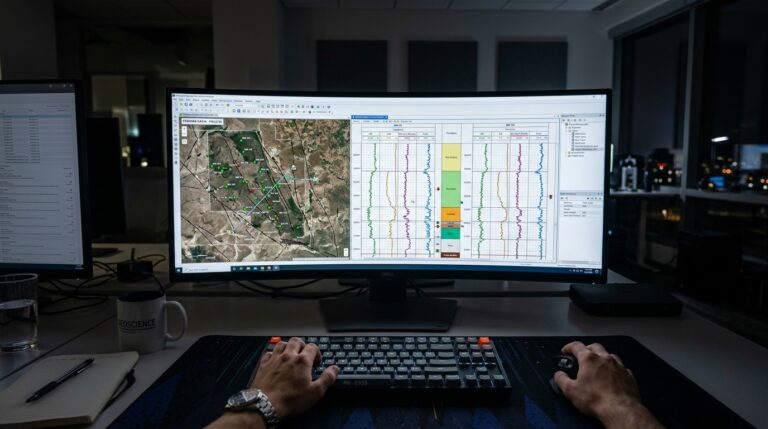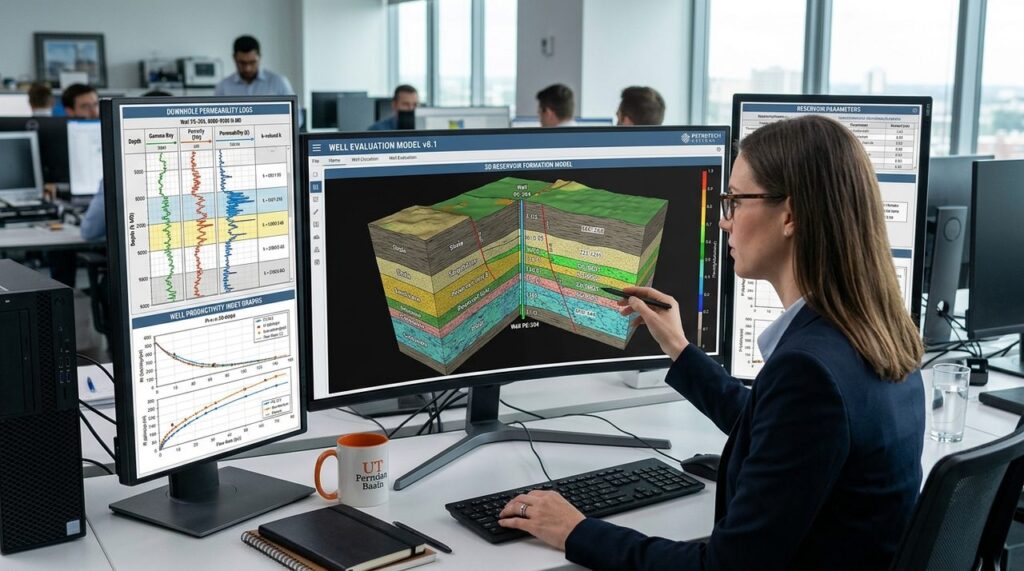
In petroleum engineering, the term “Well Evaluation Model” (WEM) can refer to both a general category of analytical tools and, in some cases, a specific software product. This article provides an overview of the software known as Well Evaluation Model, focusing on its purported place within Well Testing, Production Analysis & Artificial Lift engineering, while acknowledging the current scope of verified information. For Production Engineers and Well Test Analysts evaluating software solutions, understanding this distinction and the available details of this specific product is crucial for determining its applicability to their workflows.
Need This Software?
Contact us to request the software and receive download and access information.
Key Facts
- Category: Well Testing, Production Analysis & Artificial Lift software
- Best for: Production Engineer / Well Test Analyst
- Also compare: petroleum experts IPM, Schlumberger IAM
What is Well Evaluation Model Software?
Software designed for well evaluation typically assists engineers in understanding and optimizing the performance of oil and gas wells. Within the Well Testing, Production Analysis & Artificial Lift category, such tools are crucial for analyzing production data, simulating fluid flow within the wellbore and reservoir, and evaluating the effectiveness of artificial lift methods. The product named Well Evaluation Model aligns with this broad category, aiming to provide insights into well performance.
Core Capabilities and Features (Research Required)
Specific, verified key features for the software named Well Evaluation Model are currently unconfirmed. In general, well evaluation models facilitate:
- Analysis of well test data (pressure transient analysis).
- Integration of surface and subsurface data for comprehensive well system evaluation.
- Modeling of various artificial lift systems to optimize production.
- Performing nodal analysis to identify bottlenecks in the production system.
However, the precise functionalities of this particular named product require further research and verification.
Differentiating Factors (Research Required)
Information regarding what specifically differentiates Well Evaluation Model from other competing tools in the market is not currently available. Typically, distinguishing factors for well evaluation software can include:
- Specific algorithms or modeling approaches.
- Integration capabilities with other engineering platforms.
- User interface design and workflow efficiency.
- Depth of analysis for particular well types or production scenarios.
To understand how this product stands apart, more detailed product specifications are needed.
Historical Context and Nodal Analysis
Historical references, such as a 1990s-era patent, mention a ‘WEM by P. E. Moseley and Associates’ in the context of nodal-analysis programs. While this indicates a historical precedent for the name “WEM” being associated with specific software, it cannot be confirmed at this time if this historical reference pertains to the product referred to as Well Evaluation Model today. Nodal analysis itself remains a fundamental technique within well evaluation, assessing the performance of various components in the production system to optimize flow.
Related and Competing Software
Within the domain of Well Testing, Production Analysis & Artificial Lift, engineers have access to a range of tools. Products that offer similar or complementary capabilities to a general well evaluation model include:
- petroleum experts IPM
- Schlumberger IAM
FAQ
What kind of engineering problems does Well Evaluation Model software address?
Well Evaluation Model software, as a category, is designed to address challenges related to understanding and optimizing oil and gas well performance, including production decline analysis, wellbore hydraulics, and the selection and optimization of artificial lift systems.
How does Well Evaluation Model software typically integrate with other petroleum engineering workflows?
Typically, well evaluation models integrate by importing production data, well log data, and reservoir parameters from other databases or simulation tools. They can then export results for use in economic analysis or further reservoir modeling. Specific integration capabilities for the named Well Evaluation Model product require verification.
What data inputs are generally required for a well evaluation model?
General data inputs for a well evaluation model include well test data (e.g., pressure, flow rates), production history, wellbore geometry, fluid properties (PVT data), reservoir characteristics, and artificial lift equipment specifications.
Is Well Evaluation Model software suitable for both conventional and unconventional wells?
Well evaluation models can be adapted for both conventional and unconventional wells, though the specific analytical methods and complexity of modeling for unconventional reservoirs (e.g., fractured systems, multi-stage completions) may vary. Suitability for the named Well Evaluation Model product would depend on its specific algorithms and features.
How does nodal analysis function within a typical Well Evaluation Model software?
Nodal analysis within typical Well Evaluation Model software involves dividing the production system into nodes (e.g., reservoir, perforations, bottomhole, tubing, wellhead, separator) and evaluating pressure losses and flow rates at each node to determine the overall system performance and identify constraints. It aims to match the inflow performance relationship (IPR) with the outflow performance relationship (OPR).
Need Access to This Software?
Need this software for your project? Contact us for download access, availability, and related information.
Conclusion
The Well Evaluation Model software positions itself within the vital field of Well Testing, Production Analysis & Artificial Lift. While its specific vendor, detailed feature set, and unique differentiators require further verification, its category indicates its relevance for engineers focused on optimizing well performance. For those evaluating software solutions in this area, understanding the precise capabilities of this named product is a critical next step. To explore if the Well Evaluation Model software aligns with your specific operational needs and to receive verified product specifications, please submit an inquiry through petroleumsoftware.ir’s request form.