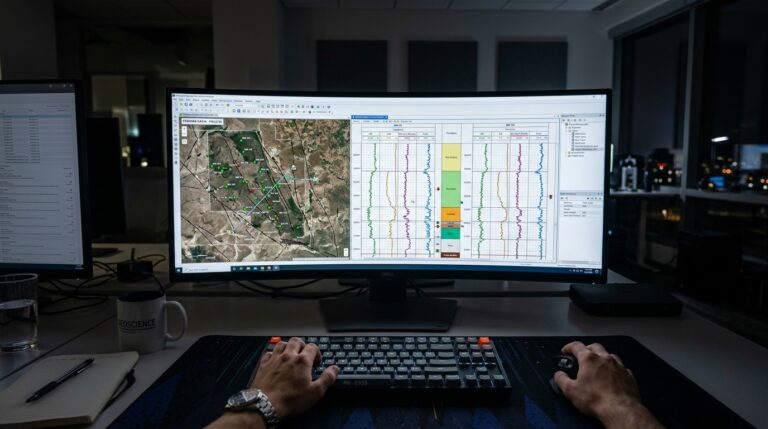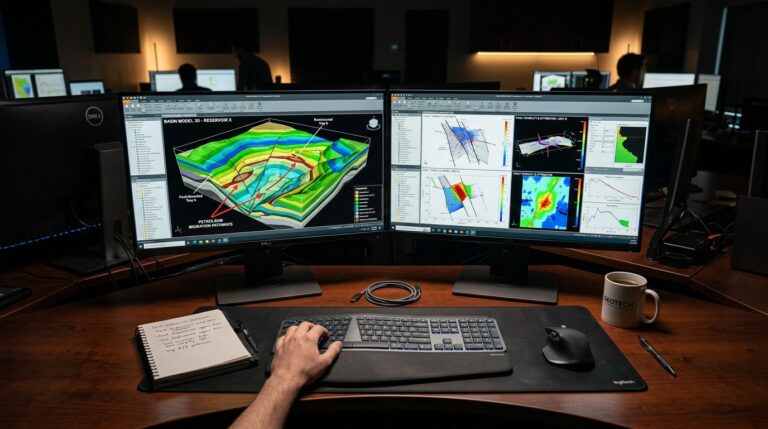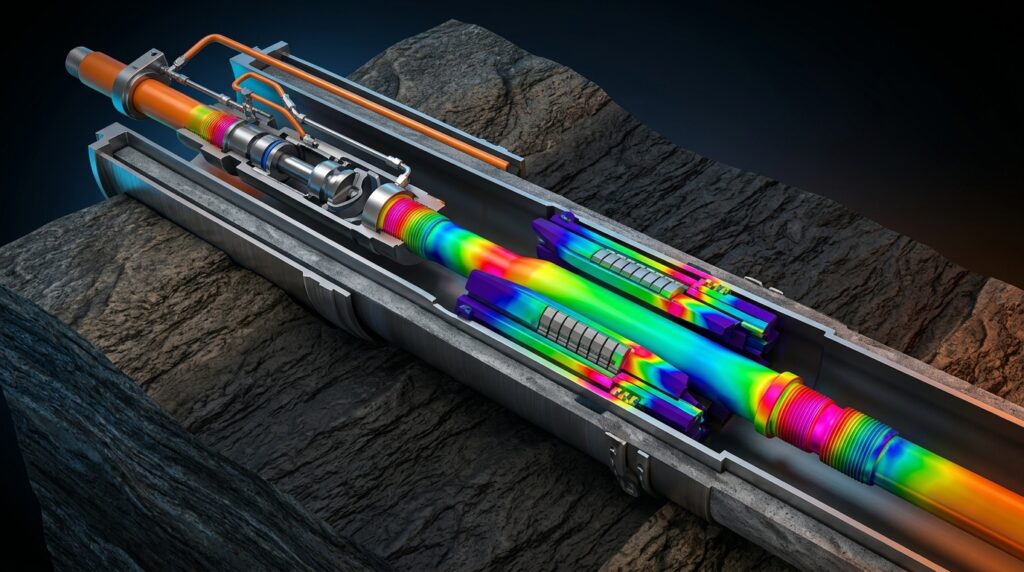
For completions and stimulation engineers, the design of the subsurface well completion string is a critical process impacting well productivity, safety, and longevity. Engineers require robust tools to ensure optimal downhole configurations. Software categorized as “Completion String Design” aims to provide foundational support for this complex engineering task.
Need This Software?
Contact us to request the software and receive download and access information.
These specialized tools assist in the meticulous planning, analysis, and optimization of downhole components. By simulating various conditions and evaluating design choices, this software helps minimize risks, maximize resource recovery, and reduce intervention costs, contributing to the overall success and economic viability of well operations.
Key Facts
- Category: Completion String Design
- Best for: Completions Engineer / Stimulation Engineer
- Also compare: Schlumberger TDAS, Landmark HPTK
Understanding Completion String Design Software
Completion String Design software refers to tools intended to assist engineers in planning, analyzing, and optimizing the components that form the well’s completion. The overarching goal of such software is to support the development of a completion string that can withstand reservoir conditions, achieve production or injection objectives, and ensure the long-term integrity of the well.
Who Benefits from Completion String Design Software?
Professionals in well completions and stimulation engineering are the primary users of such software. This includes:
- Completions Engineers: Focused on the selection and arrangement of downhole equipment, ensuring functionality and integrity.
- Stimulation Engineers: Concerned with how the completion string interacts with stimulation treatments, impacting fluid flow and well performance.
For these roles, software in this category helps in making informed decisions about the infrastructure that enables a well to produce hydrocarbons or inject fluids efficiently and safely.
The Importance of Robust Completion String Design
The design of the completion string is fundamental to the operational success and economic viability of any well. A well-designed string minimizes risks, maximizes recovery, and reduces intervention costs. Software solutions in this area aim to provide an analytical environment for engineers to explore different design options and predict their performance under various downhole conditions.
Product Landscape for Well Completion Design
Within the broader category of Well Completion, Fracturing & Cementing, various software solutions address aspects of completion string design. Understanding the range of available tools helps engineers select the most appropriate solution for their specific challenges. While specific details for every tool may vary, the general objective remains to enhance the reliability and efficiency of well completions.
Related Products in Well Completion, Fracturing & Cementing
Engineers exploring solutions for completion string design may also encounter tools that offer complementary or similar capabilities. Examples include:
| Product Category | Related Products |
|---|---|
| Well Completion, Fracturing & Cementing | Schlumberger TDAS |
| Well Completion, Fracturing & Cementing | Landmark HPTK |
Making an Informed Decision for Your Workflow
When evaluating software solutions like “Completion String Design,” engineers typically consider how well the tool addresses their specific operational requirements and challenges. Factors often include the clarity of its analytical approach, its ability to integrate with other engineering workflows, and its applicability to diverse well types and reservoir conditions. Understanding these aspects helps ensure that the chosen software effectively supports critical engineering decisions.
FAQ
What is the primary objective of Completion String Design software?
The primary objective is to assist engineers in planning, analyzing, and optimizing the components of a well’s completion string to ensure it withstands reservoir conditions, meets production or injection objectives, and maintains long-term well integrity.
Which engineering roles typically utilize Completion String Design tools?
Primarily completions engineers, who focus on equipment selection and arrangement, and stimulation engineers, who analyze the interaction of the string with treatment fluids and well performance, typically utilize these tools.
How does software assist in optimizing well completion strings?
It provides an analytical environment for exploring different design options, simulating performance under various downhole conditions, and making informed decisions to minimize risks and maximize recovery.
Are there specific industry standards that Completion String Design software helps meet?
While the software itself supports the design process, it aids engineers in developing completions that can adhere to relevant industry best practices and regulatory requirements for well integrity and safety. Specific standard compliance depends on the user’s implementation and validation processes.
What benefits does advanced completion string design offer for well performance?
Robust completion string design, supported by specialized software, leads to improved well productivity, enhanced safety, reduced operational risks, maximized resource recovery, and lower long-term intervention costs.
Need Access to This Software?
Need this software for your project? Contact us for download access, availability, and related information.
Conclusion
Completion String Design software is a foundational tool for completions and stimulation engineers seeking to optimize downhole configurations for well productivity, safety, and longevity. It provides the analytical environment necessary to explore complex design options and ensure the integrity and performance of the well infrastructure. To determine if a “Completion String Design” solution meets your project’s specific requirements, submit an inquiry through petroleumsoftware.ir’s request form.