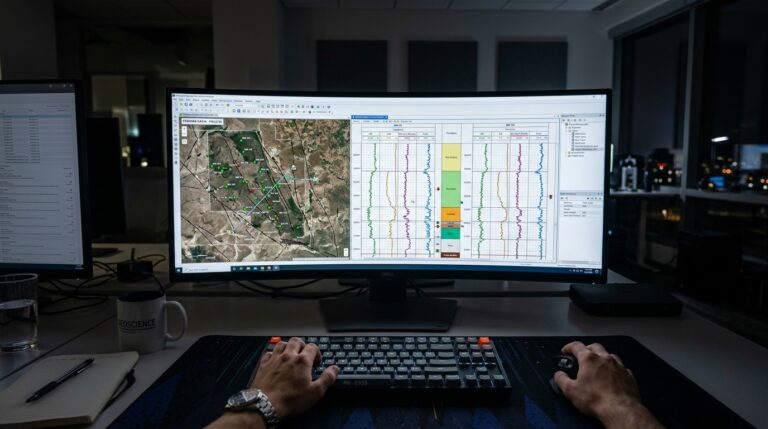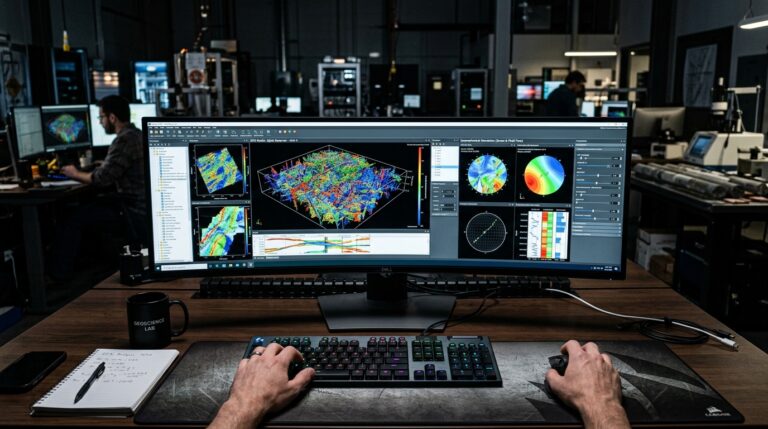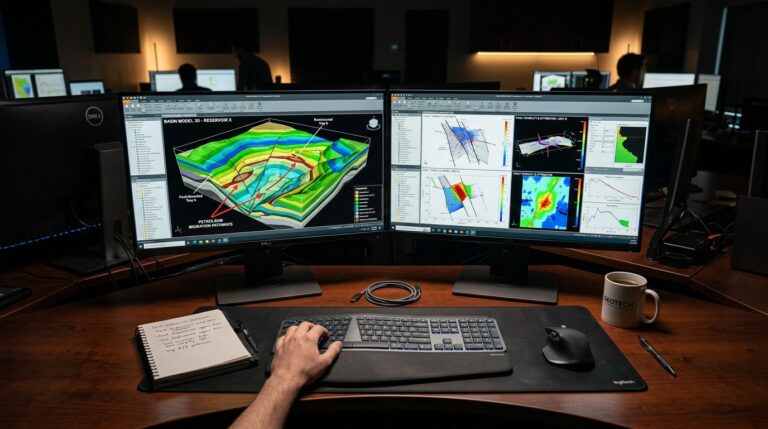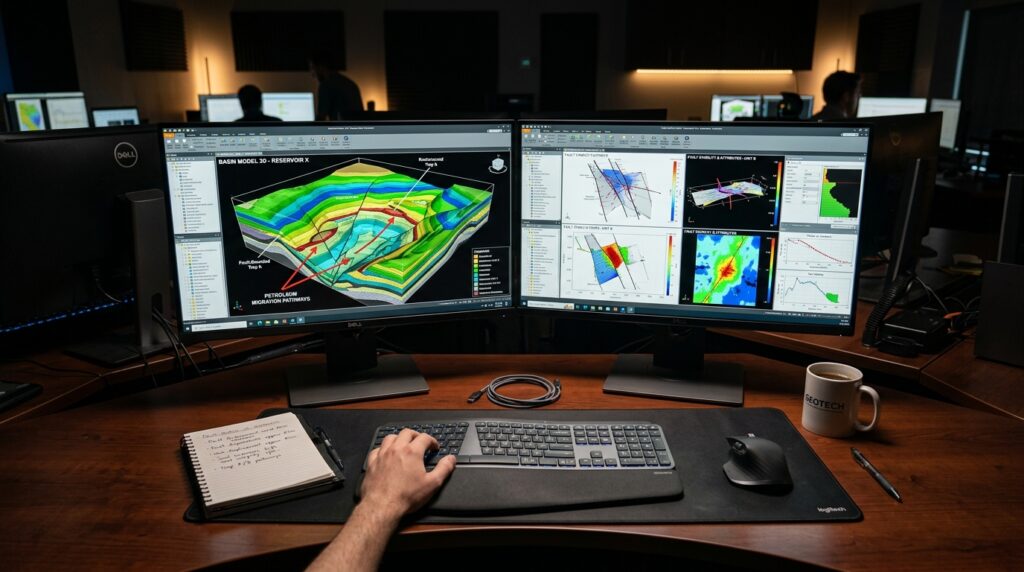
For professionals in geology and geophysics, identifying specialized software that accurately meets project requirements is crucial. Schlumberger Malcom is categorized within the domain of Geology, Seismic Interpretation, and Basin Modeling, suggesting its utility in critical subsurface analysis workflows.
This overview aims to provide an understanding of what such a tool typically addresses within these disciplines, assisting geologists and geophysicists in evaluating its potential fit for their specific technical needs. While comprehensive public details for Schlumberger Malcom are not widely disseminated, understanding its intended category helps frame its relevance to E&P operations.
Need This Software?
Contact us to request the software and receive download and access information.
Key Facts
- Category: Geology, Seismic Interpretation, and Basin Modeling
- Best for: Geologist / Geophysicist
- Also compare: Schlumberger Petrel, Schlumberger OMNI 3D
Understanding Schlumberger Malcom’s Role in Subsurface Characterization
Schlumberger Malcom is designed to support the extensive analytical requirements of geology, seismic interpretation, and basin modeling. In these fields, accurate data processing, visualization, and predictive modeling are essential for hydrocarbon exploration and production. Software in this category typically assists professionals in interpreting complex geological structures, analyzing seismic data for reservoir identification, and modeling sedimentary basin evolution.
Potential Core Applications for Geologists and Geophysicists
Based on its classification, Schlumberger Malcom would likely offer capabilities relevant to several key aspects of subsurface characterization. These potential applications align with the analytical and interpretive tasks commonly undertaken by geologists and geophysicists:
- Seismic Data Processing and Interpretation: Tools for handling raw seismic data, performing advanced processing, and facilitating detailed interpretation to identify subsurface features and potential traps.
- Geological Model Building: Support for constructing 2D and 3D geological models, integrating various data sources such as well logs, core data, and regional geological maps.
- Basin Evolution and Petroleum System Analysis: Features for simulating the geological history of a basin, including sediment deposition, compaction, thermal maturation, and hydrocarbon generation and migration pathways.
- Integrated Workflow Support: Enabling seamless integration of geological, geophysical, and petrophysical data to achieve a holistic understanding of the subsurface.
Integrating Schlumberger Malcom into E&P Workflows
The integration of specialized software like Schlumberger Malcom into existing E&P workflows is vital for efficiency and data consistency. A solution focused on geology, seismic interpretation, and basin modeling would typically serve as a central component for:
- Defining and refining geological frameworks for exploration blocks.
- Conducting detailed seismic attribute analysis to highlight reservoir characteristics.
- Calibrating basin models against observed well data to improve predictive capabilities.
- Collaborating with reservoir engineers to feed geological insights into simulation models.
The precise ways petroleumsoftware.ir can assist with deploying and optimizing Schlumberger Malcom within specific operational environments can be explored upon inquiry.
Comparative Overview: Related Software in Geology and Geophysics
Within the broader Schlumberger portfolio, other tools also address aspects of geology and geophysics. While specific differentiators for Schlumberger Malcom are not detailed in publicly available information, understanding its categorized counterparts helps place it within the vendor’s ecosystem.
| Product Name | Category Focus (General) |
|---|---|
| Schlumberger Petrel | Integrated E&P Software Platform (includes geology, geophysics, reservoir engineering) |
| Schlumberger OMNI 3D | Seismic Processing |
| Schlumberger Geox | Geoscience interpretation and modeling |
Frequently Asked Questions about Schlumberger Malcom
What are the primary data types supported by Schlumberger Malcom for seismic interpretation?
Software categorized for seismic interpretation typically supports a wide array of data types, including 2D and 3D seismic reflection data, well logs, velocity models, and geological markers. While specific data formats for Schlumberger Malcom are not publicly detailed, its function in seismic interpretation implies compatibility with common geophysical data inputs.
Does Schlumberger Malcom offer advanced visualization capabilities for geological models?
Within its category of geology and basin modeling, it is expected that Schlumberger Malcom provides capabilities for visualizing complex geological structures and models. Such tools typically include features for 3D model rendering, cross-section viewing, and data overlay to enhance interpretation.
How does this software support collaborative workflows between geologists and geophysicists?
Solutions in integrated geoscience, like Schlumberger Malcom, are generally designed to facilitate collaboration by providing a common platform for data sharing and interpretation. This allows geologists and geophysicists to work on integrated datasets, ensuring consistency and improved communication across disciplines.
Can Schlumberger Malcom integrate with other reservoir characterization tools?
Given its role in subsurface characterization and its position within a major vendor’s portfolio, Schlumberger Malcom is likely engineered to integrate with other reservoir characterization and engineering tools. Interoperability is crucial for seamless workflows from geological modeling to reservoir simulation.
What specific analytical methods does it employ for basin modeling studies?
Basin modeling software typically employs methods for simulating geological processes such as sediment compaction, heat flow, organic matter maturation, and hydrocarbon generation and migration. While the precise algorithms used by Schlumberger Malcom are not publicly specified, its categorization implies the inclusion of such analytical capabilities for petroleum system analysis.
Need Access to This Software?
Need this software for your project? Contact us for download access, availability, and related information.
Conclusion
Schlumberger Malcom positions itself as a specialized tool for geologists and geophysicists engaged in geology, seismic interpretation, and basin modeling. Despite limited public information, its defined category indicates capabilities crucial for subsurface characterization and hydrocarbon exploration workflows. To determine if Schlumberger Malcom aligns with your specific geological, seismic interpretation, or basin modeling requirements, submit an inquiry to petroleumsoftware.ir for detailed product specifications and a consultation.