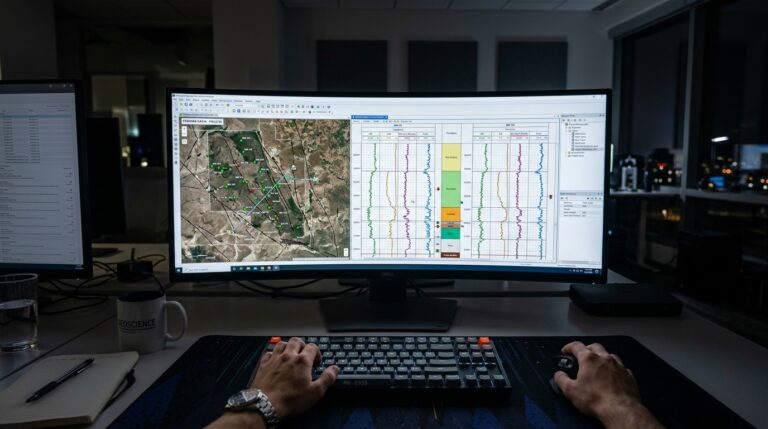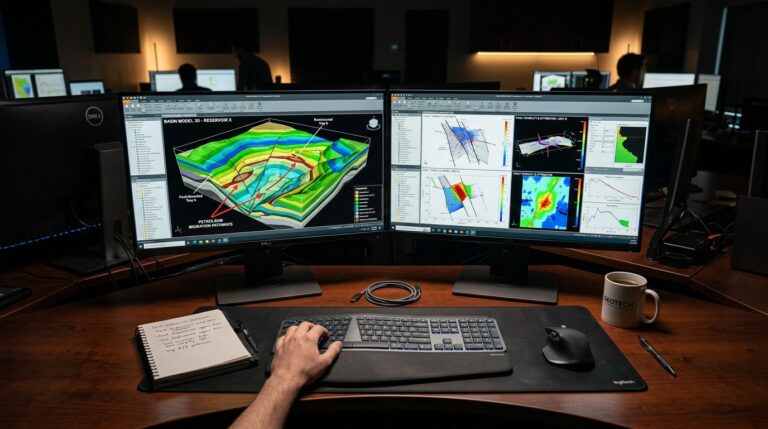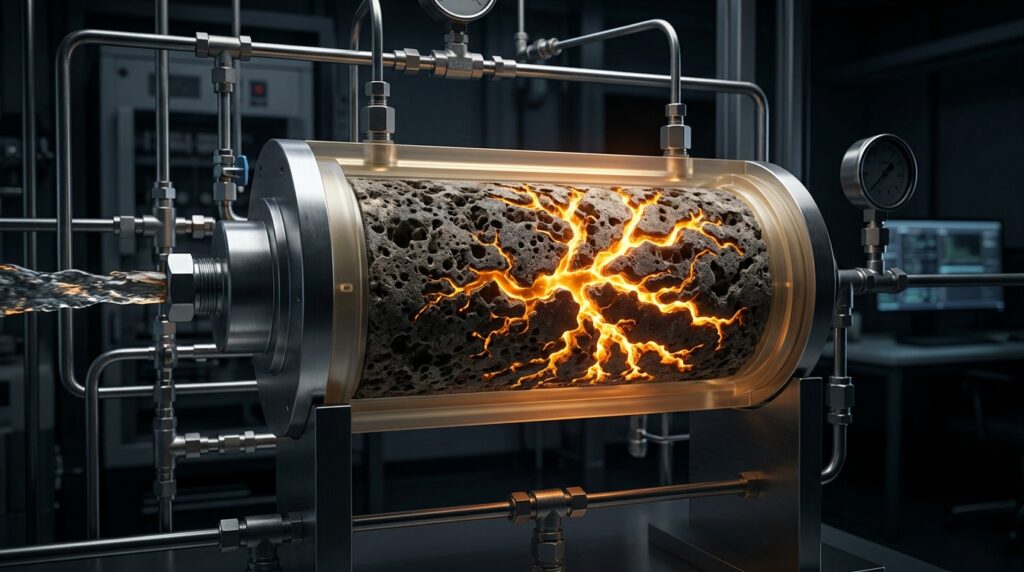
In the complex world of oil and gas completions, engineers rely on specialized software to design, analyze, and optimize operations. Landmark HPTK is a component within the extensive Halliburton Landmark Software & Services portfolio, designed to support professionals in the well completion, fracturing, and cementing disciplines. This article provides a foundational understanding of HPTK’s intended application within these critical engineering workflows, helping completions and stimulation engineers assess its relevance for their projects.
Need This Software?
Contact us to request the software and receive download and access information.
Understanding HPTK’s role in the broader Landmark ecosystem is key for professionals evaluating its fit. While specific functionalities require direct consultation, its classification indicates its utility in preparing wells for production, enhancing reservoir connectivity, and ensuring wellbore integrity. This overview guides engineers in their initial assessment, acknowledging the high-level nature of publicly available details while pointing towards avenues for deeper investigation.
Key Facts
- Category: Well Completion, Fracturing & Cementing
- Best for: Completions Engineer / Stimulation Engineer
- Also compare: Schlumberger Span Rock, Schlumberger TDAS
Understanding Landmark HPTK in Completions Engineering
Landmark HPTK is positioned within the category of Well Completion, Fracturing & Cementing software. For completions and stimulation engineers, this indicates its relevance in workflows related to preparing wells for production, enhancing reservoir productivity, and ensuring well integrity.
As part of the Halliburton Landmark suite, HPTK operates within an ecosystem that includes other widely recognized platforms such as Drillworks, OpenWorks, and DSS, reflecting its integration into a broader set of upstream engineering solutions.
Core Application Areas for Landmark HPTK
While specific detailed functionalities of Landmark HPTK require direct consultation, its classification strongly suggests applications pertinent to the following areas for a completions or stimulation engineer:
- Well Completion Design: Tools for planning the downhole configuration to enable safe and efficient hydrocarbon flow.
- Fracturing Treatment Optimization: Capabilities relevant to designing hydraulic fracturing operations to maximize reservoir contact and production.
- Cementing Program Development: Support for engineering primary cementing operations to isolate zones and provide structural integrity to the wellbore.
Landmark’s Software Ecosystem for E&P
Halliburton’s Landmark Software & Services provides a comprehensive set of applications for exploration and production. Landmark HPTK is one of these offerings, contributing to the complete lifecycle management of oil and gas assets. Its inclusion signifies its role in supporting the critical completion phases of well development.
Engineers seeking to integrate various aspects of their E&P workflow often consider software that can communicate and share data effectively across different disciplines. The Landmark portfolio is designed with this interoperability in mind.
Integration with Engineering Workflows
For completions and stimulation engineers, selecting software involves evaluating its fit into existing workflows. Landmark HPTK, as a dedicated tool for well completion, fracturing, and cementing, is intended to address specific computational and design challenges encountered in these operations. Its purpose is to provide the analytical capabilities needed for decision-making in high-pressure and complex downhole environments.
| Aspect | Landmark HPTK Overview |
|---|---|
| Vendor | Halliburton (Landmark Software & Services) |
| Product Category | Well Completion, Fracturing & Cementing |
| Target User | Completions Engineer, Stimulation Engineer |
| Software Portfolio | Part of the Landmark suite (alongside Drillworks, OpenWorks, DSS) |
Comparing Landmark HPTK to Other Tools
In the well completion, fracturing, and cementing software landscape, engineers have several options. For example, competing products in this category include Schlumberger Span Rock and Schlumberger TDAS. These tools also aim to provide analytical and design capabilities for similar engineering challenges, offering alternatives depending on specific project requirements and existing software infrastructure.
FAQ
What are the primary challenges addressed by well completion software?
Well completion software generally addresses challenges such as optimizing downhole equipment selection, managing complex multi-zone completions, ensuring zonal isolation through effective cementing, and designing hydraulic fracturing treatments for optimal reservoir stimulation. These tools aim to improve operational efficiency and well productivity by providing analytical and simulation capabilities for these critical phases.
How does software enhance hydraulic fracturing design?
Software enhances hydraulic fracturing design by enabling engineers to model reservoir properties, simulate fracture propagation, predict production responses, and optimize treatment parameters. This allows for data-driven decisions regarding fluid selection, proppant schedules, and perforation strategies to maximize reservoir contact and hydrocarbon recovery.
What role does cementing simulation play in well integrity?
Cementing simulation software plays a critical role in ensuring well integrity by allowing engineers to model cement slurry placement, predict potential channeling or contamination issues, and optimize cement designs. This helps achieve effective zonal isolation, prevent fluid migration, and provide structural support to the casing, which are fundamental for long-term wellbore stability and environmental protection.
Is specialized software necessary for complex completion operations?
Yes, specialized software is generally considered necessary for complex completion operations. These operations often involve intricate designs, multi-stage fracturing, or challenging wellbore conditions that require precise calculations, detailed simulations, and advanced analytical capabilities beyond what general-purpose tools can provide. Specialized software supports accurate planning and risk mitigation.
How do engineers evaluate the best completion software for their projects?
Engineers evaluate completion software based on several factors, including its specific functional capabilities (e.g., fracturing, cementing, design), integration with existing workflows and data platforms, vendor support, usability, and the ability to accurately model their specific reservoir and operational conditions. Often, this involves assessing case studies and requesting detailed product demonstrations.
Need Access to This Software?
Need this software for your project? Contact us for download access, availability, and related information.
Conclusion
Landmark HPTK is presented as a specialized tool within the Halliburton Landmark suite, targeting completions and stimulation engineers for tasks related to well completion, fracturing, and cementing. While specific feature details are not publicly exhaustive, its placement within this domain suggests its utility in critical engineering design and analysis workflows. It is intended for professionals seeking integrated solutions for preparing wells for production, enhancing reservoir performance, and ensuring well integrity. To determine how Landmark HPTK specifically addresses your project requirements in well completion, fracturing, or cementing, submit an inquiry through petroleumsoftware.ir’s form for detailed product information.