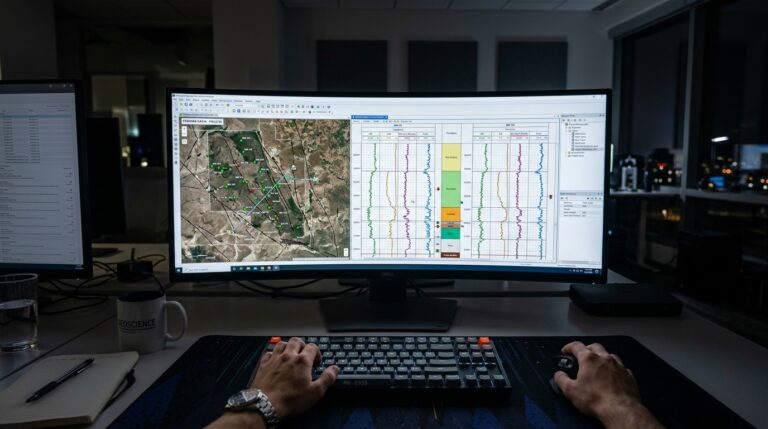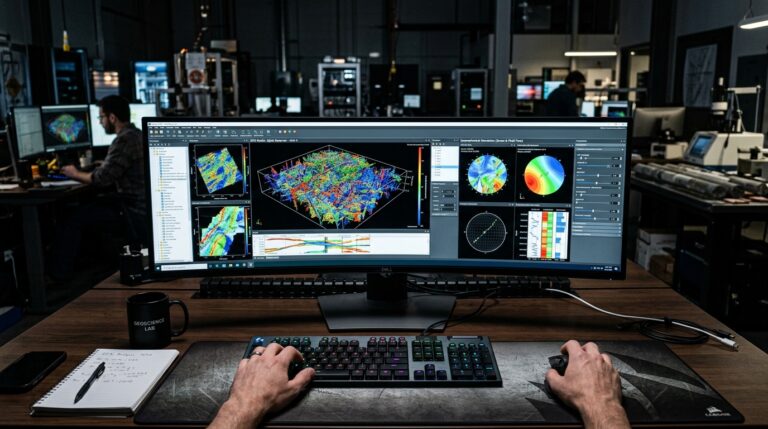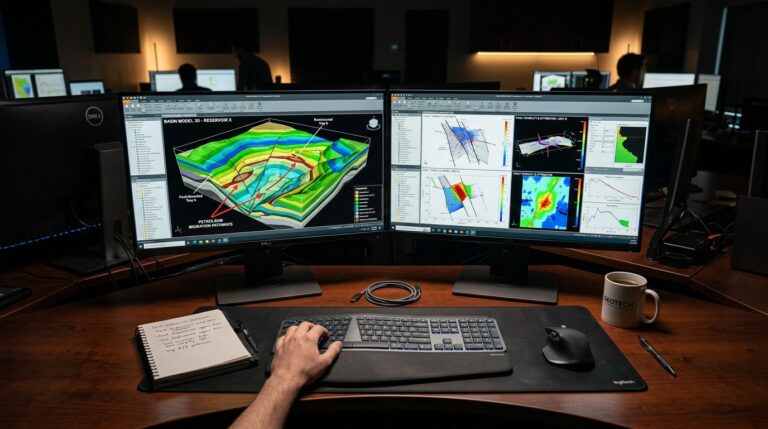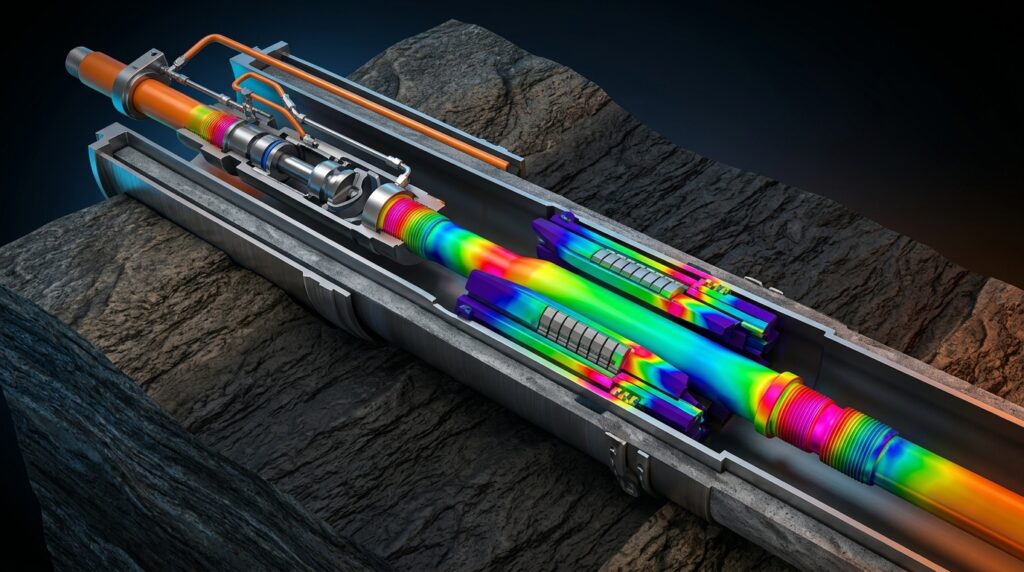
For completions and stimulation engineers, ensuring the mechanical integrity of downhole tubulars and equipment is a foundational aspect of secure and efficient well operations. Schlumberger TDAS software addresses this critical need by providing a specialized system for tubular design and analysis. This article delves into how TDAS facilitates the simulation of complex wellbore conditions, enables proactive stress analysis, and ultimately helps establish robust operational envelopes, positioning it as a key tool for professionals focused on long-term well integrity.
Need This Software?
Contact us to request the software and receive download and access information.
This review explores TDAS’s core capabilities, its distinguishing legacy in mechanical integrity analysis, and its application across various engineering workflows to support reliable well completion and stimulation designs.
Key Facts
- Category: Well Completion, Fracturing & Cementing
- Best for: Completions Engineer / Stimulation Engineer
- Also compare: Landmark HPTK, Completion String Design
Understanding Schlumberger TDAS: Simulating Wellbore Conditions for Integrity
The primary function of Schlumberger TDAS is to provide a robust tubular design and analysis system. It is engineered to simulate the complex operational conditions that casing, tubing, and other downhole equipment encounter throughout a well’s lifecycle. By anticipating potential stresses and movements, the software helps engineers establish secure operating envelopes and confirm the longevity of well components.
Key Capabilities for Completions Engineers
For completions and stimulation engineers, the ability to accurately predict downhole behavior is critical. TDAS offers specific capabilities designed to address these challenges:
- Anticipation of Stresses and Movements: The software simulates various operational conditions—such as pressure and temperature fluctuations, fluid flow, and mechanical loads—to predict the resulting stresses and movements on casing, tubing, and downhole equipment. This proactive analysis is crucial for preventing potential failures.
- Integrity Assurance Against Design Criteria: TDAS compares these simulated stresses and movements against established minimum design criteria and the operational envelopes of the equipment. This ensures that tubulars and other components maintain their integrity and functionality throughout the life of the well, mitigating risks associated with mechanical fatigue or failure.
The Differentiating Track Record of Schlumberger TDAS
What sets Schlumberger TDAS apart in the landscape of well completion software is its profound legacy and specific focus. Originating in 1985, TDAS has maintained a continuous, over 40-year track record dedicated specifically to the mechanical-integrity analysis of tubulars, including casing, tubing, and other downhole equipment. This long-term specialization for a focused purpose distinguishes it from other completion tools that might emphasize broader fracture-geometry or cementing aspects.
With a history dating back to 1985, Schlumberger TDAS offers a proven and continuously refined approach to tubular mechanical integrity analysis, a key differentiator in well completion design.
When to Leverage TDAS in Your Workflow
Completions and stimulation engineers can integrate Schlumberger TDAS into various stages of their workflow where tubular mechanical integrity is paramount. This includes:
- Designing new well completions to ensure all tubular components meet stringent integrity standards under anticipated operational conditions.
- Analyzing existing well designs to evaluate performance and integrity over time, especially in response to changing operational parameters or potential interventions.
- Developing safe operating envelopes for complex downhole environments, providing clear boundaries for pressure, temperature, and mechanical loads.
- Validating the suitability of specific casing, tubing, and downhole equipment selections against projected well conditions.
Product Comparison: Schlumberger TDAS vs. Other Tools
Understanding the competitive landscape helps engineers choose the right tool for the job. While other software exists in the well completion category, Schlumberger TDAS maintains a distinct focus on tubular mechanical integrity.
| Product Name | Category | Primary Focus (as per available data) |
|---|---|---|
| Schlumberger TDAS | Well Completion, Fracturing & Cementing | Tubular mechanical-integrity analysis; simulation of operational conditions for casing, tubing, and downhole equipment |
| Landmark HPTK | Well Completion, Fracturing & Cementing | Completion string design (per category) |
| Completion String Design | Well Completion, Fracturing & Cementing | Completion string design (per category) |
FAQ
How does TDAS help ensure the long-term integrity of a well?
TDAS helps ensure long-term well integrity by simulating various operational conditions, predicting stresses and movements on downhole equipment, and comparing these against established minimum design criteria and operational envelopes to mitigate potential failures.
What types of operational conditions can Schlumberger TDAS simulate?
Schlumberger TDAS is capable of simulating complex operational conditions such as pressure and temperature fluctuations, fluid flow, and mechanical loads on casing, tubing, and other downhole equipment.
Is TDAS suitable for both new well designs and existing well analysis?
Yes, TDAS is suitable for both new well designs, where it helps ensure components meet integrity standards, and for analyzing existing wells to evaluate performance and integrity over time.
How does TDAS compare simulated stresses to design criteria?
TDAS compares the simulated stresses and movements on tubulars and equipment directly against established minimum design criteria and the operational envelopes of the specific components to confirm integrity.
What makes TDAS a specialized tool in well completion engineering?
TDAS is a specialized tool due to its over 40-year continuous track record dedicated specifically to the mechanical-integrity analysis of tubulars and downhole equipment, setting it apart from broader completion tools.
Need Access to This Software?
Need this software for your project? Contact us for download access, availability, and related information.
Conclusion
Schlumberger TDAS stands as a dedicated and time-tested software solution for engineers tasked with ensuring the mechanical integrity of tubulars and downhole equipment. Its simulation capabilities, focused on predicting stresses and movements against design criteria, provide critical insights for secure and reliable well operations. For completions and stimulation engineers prioritizing robust tubular design and longevity, TDAS offers a specialized and proven analytical framework. To explore how Schlumberger TDAS can enhance your well completion and integrity analysis workflows, submit an inquiry through petroleumsoftware.ir’s form.